Whether you love the cold or dread it, winter brings one undeniable trend: a rising demand for satisfying comfort food. Delivering on those cold-weather cravings is a top priority for foodservice operators, but doing so while maintaining profit margins, plate consistency, and service speed is not easy.
That’s where your supplier makes all the difference. When peak winter rushes hit, the right supplier turns high demand into high profitability. Kitchen momentum relies entirely on dependable ingredients that minimise cost per plate. So, the best approach to a profitable winter menu is simple: high-yield, quality products designed to deliver consistency under pressure, no matter how busy the pass gets.

Why comfort food rules winter menus
As temperatures drop, dining habits instantly shift towards rich and satisfying meals. But it also means people are less inclined to be in the kitchen, driving a strong desire for out-of-home dining, and commercial kitchens must be ready when they walk through the door. For executive chefs and procurement managers, this demand requires a strategic winter menu built to serve their cravings at scale.
Rich breakfasts, slow-cooked meats, smoked bacon, and indulgent plates are popular in winter. Commercial kitchens must use ingredients that can be repurposed across multiple menu items. These include lunch and dinner heroes like slow-roasted pork cuts, ribs, and diced ham and bacon toppings for soups and bakes. It is also worth investing in breakfast products like streaky bacon, pork sausages and cheese grillers to give your guests satisfying flavour while managing food costs.
The operational fix
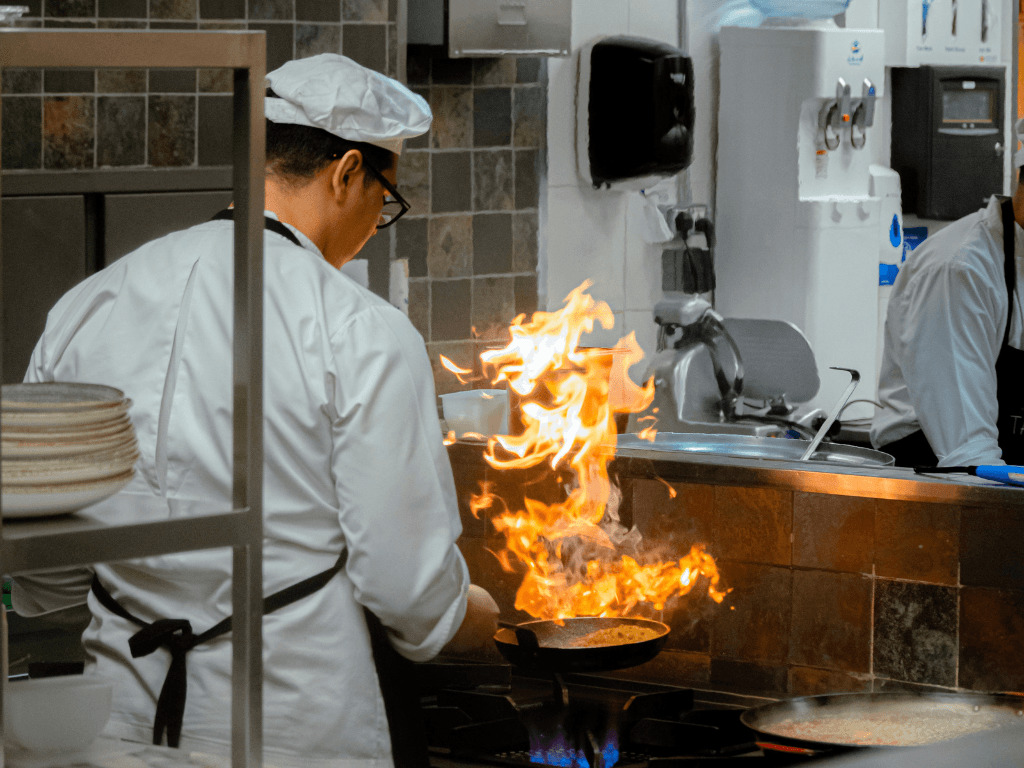
When ticket orders stack up during a winter rush, your kitchen needs products made to handle high pressure. Your winter menu needs to ensure that when guests place an order, they do not wait too long. Every minute spent trimming, dicing, or managing excessive cooking shrinkage drains profitability because it lowers the rate of plates leaving the pass, potentially leading to customer loss.
Upgrade your kitchen strategy by choosing prepared meats like pre-diced bacon and portion-controlled pork cuts that go straight from storage to the stove. Moreover, ensuring that they are free of fillers means they resist water loss under heavy heat, and guarantee that a kilogram of product purchased translates into a full kilogram of serveable yield. Implementing these factors eliminates prep fatigue, locks in identical portion costs, preserves plate presentation, and keeps your kitchen moving effortlessly.

What a good supplier looks like
When vetting a supplier for your winter menu, look beyond the price on the order form and evaluate indicators of long-term operational performance. A trustworthy partner offers complete supply chain transparency and international food safety certifications like FSSC 22000. They demonstrate a track record of supply stability during seasonal demand spikes, ensuring your key menu items never go out of stock when you need them most.
Crucially, you should investigate product formulation. High-quality meats manufactured without budget fillers maintain their weight on the griddle. Choosing a supplier with proven heritage, strict quality standards, and dedicated foodservice solutions is the single best investment you can make for the success of your menu this winter.
For more foodservice insights, winter menu optimisation and supply chain reliability, follow Frey’s on Instagram and Facebook and discover quality meat content.